
26 May 26
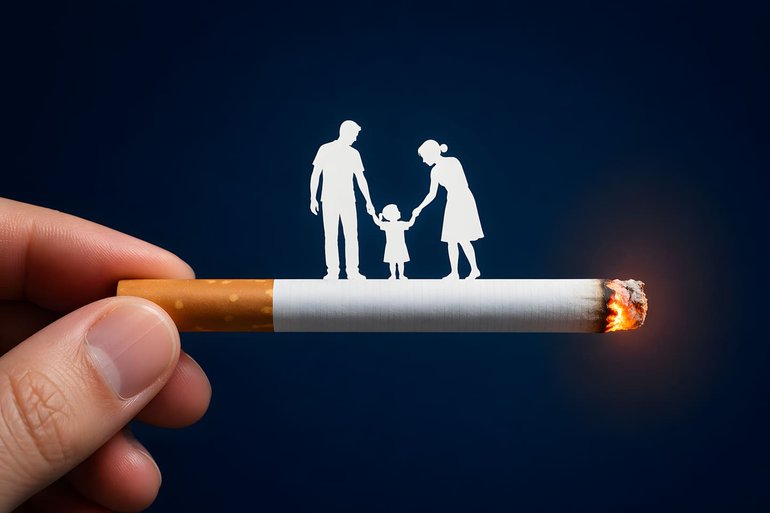
May 31st is No Tobacco Day, an occasion promoted by the WHO to inform the public about the dangers of tobacco consumption, as well as the business practices of tobacco companies. The objective of the initiatives and campaigns related to this celebration is to fight the tobacco epidemic by promoting health and healthy living, while protecting future generations.
As a world leader in the manufacturing of MedTech solutions for respiratory health, MIR is a fervent supporter of this campaign.
The harmful effects of tobacco smoke on the lungs are almost immediate, leading to reduced lung function and the early onset of respiratory symptoms such as cough and breathlessness. This happens because, when tobacco smoke is inhaled, the structures that sweep mucus and dirt out of the airways become paralysed. As a result, toxins can easily enter the system, causing swelling of the airways and mucus production.
According to the WHO, tobacco causes 8 million deaths worldwide every year, 1 million of which are due to second-hand smoke exposure. This means tobacco exposure is a threat to lung health for everyone, as it contributes to indoor air pollution, a major risk factor to respiratory health at every stage of life:
Chronic Obstructive Pulmonary Disease (COPD) is a term used to define a group of respiratory illnesses characterised by persistent airflow obstruction. The most common forms of COPD are:
Symptoms include episodes of severe breathing difficulties that can last from days to months, as well as persistent cough with heavy mucus production. Although treatment options are available, COPD is an irreversible condition whose symptoms tend to worsen over time if left untreated.
In 2016, it was estimated that over 251 million people were living with COPD.
With almost half of COPD-related deaths attributable to tobacco smoking, cigarettes remain the primary risk factor for COPD worldwide. It is estimated that one in five smokers will develop the condition at some point in life. People who start smoking during youth or adolescence are especially susceptible to developing COPD due to reduced lung growth and impaired lung function.
The good news is that most cases of COPD are preventable through avoiding or quitting tobacco use early. Patients with COPD who stop smoking regain better lung function and experience fewer long-term complications, which is why initiatives such as No Tobacco Day are so important in raising awareness about respiratory health.
Tobacco cessation is a key element in COPD prevention, besides being aligned with Article 14 of the WHO Framework Convention on Tobacco Control (FCTC). Quitting tobacco use has the potential to reverse some of the lung damage caused by smoking over time. Lung function has been shown to improve within just two weeks of quitting tobacco use, and smoking cessation is also associated with better treatment outcomes and improved quality of life.
However, not all damage can be reversed, which is why quitting as early as possible is essential to help prevent the onset of COPD.